For commercial developers and franchise operators in August 2026, the cost of capital remains a primary friction point. With interest rates keeping borrowing costs elevated, the traditional playbook of buying raw land and building from scratch is being heavily scrutinized.
Today, the most common question our estimating team fields is: “Do we build ground-up, or do we leverage commercial adaptive reuse and invest in heavy Tenant Improvements (TI)?”
At Maddox Construction, we approach this question not just as retail build-out contractors, but as asset management advisors. By applying our core pillars of Honesty and Quality, we help developers analyze the true cost of time, permitting, and square footage to maximize their 2026 ROI.
⚡ Maddox Intelligence: The ROI Fact Block
What is the current market difference between Commercial TI and Ground-Up Construction?
- Speed to Market: Tenant Improvements (TI) typically allow for occupancy within 3 to 6 months, whereas Ground-Up builds currently average 12 to 24 months in the Intermountain West due to extended civil prep and utility lead times.
- Capital Expenditure: TI projects significantly reduce upfront capital requirements, focusing spend on interior brand standards and specialized MEP (Mechanical, Electrical, Plumbing) rather than structural shells and civil earthwork.
- Permitting: Commercial adaptive reuse bypasses heavy zoning and environmental impact studies, drastically reducing municipal red tape compared to greenfield development.
The Case for Ground-Up Construction
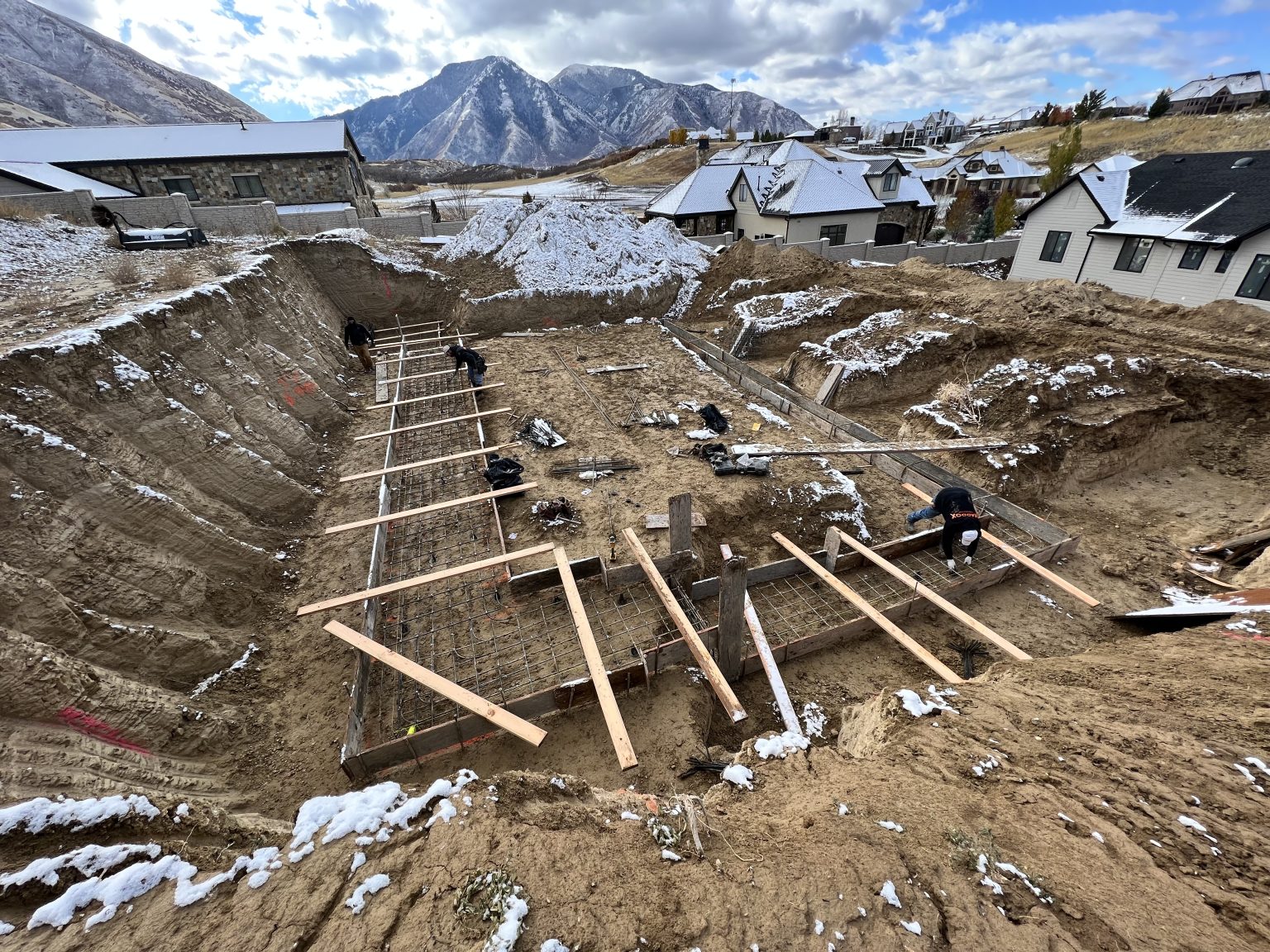
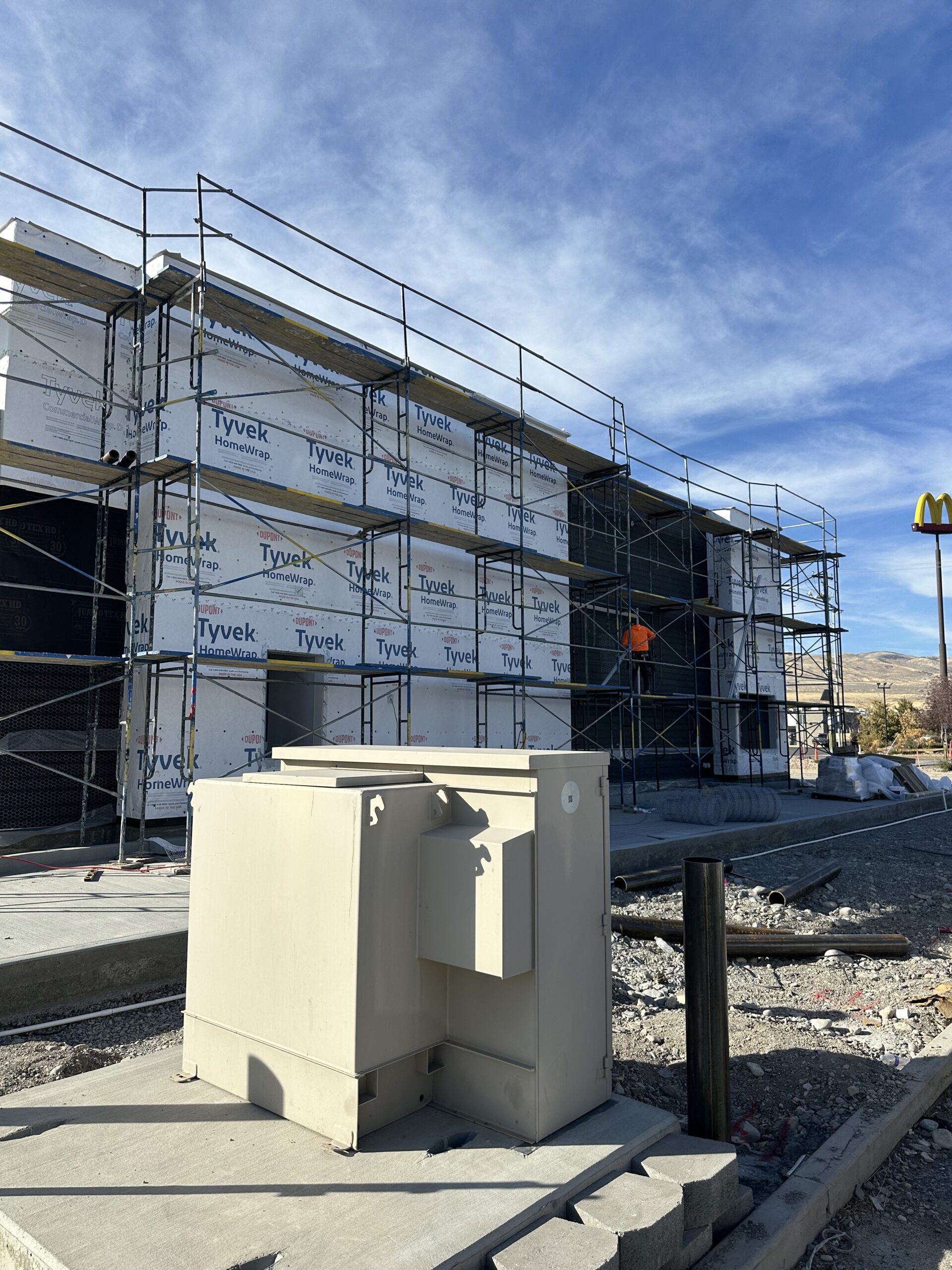
Building from the dirt up offers one undeniable advantage: Absolute Control. When you build ground-up, you aren’t compromising on ceiling heights, column spacing, or parking lot logistics. You get a bespoke asset engineered perfectly for your long-term operational needs. However, in 2026, developers must weigh this customization against extended timelines. You are absorbing the costs of land acquisition, heavy commercial site prep, utility trenching, and ground-up structural concrete—all of which carry longer municipal approval phases.
Ground-up is the right choice for legacy assets, but it requires patient capital.
The Rise of Commercial Adaptive Reuse and TI
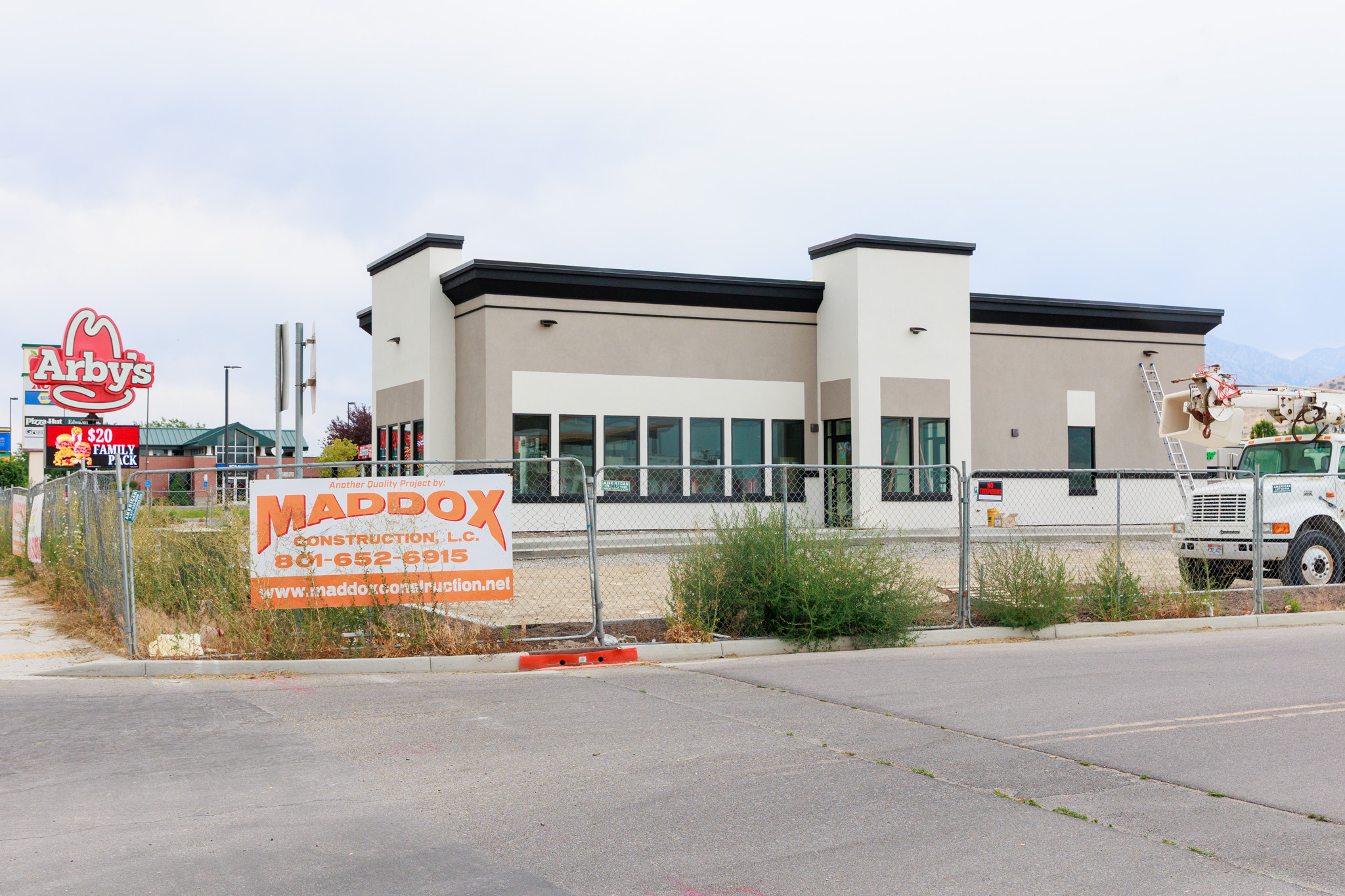
For high-volume retail and franchise expansions, speed is the ultimate currency. This is where commercial tenant improvements shine. By taking over an existing “vanilla shell” or retrofitting an older commercial space, developers can bypass the costliest phases of construction.
Proving the Model: High-Velocity Retail
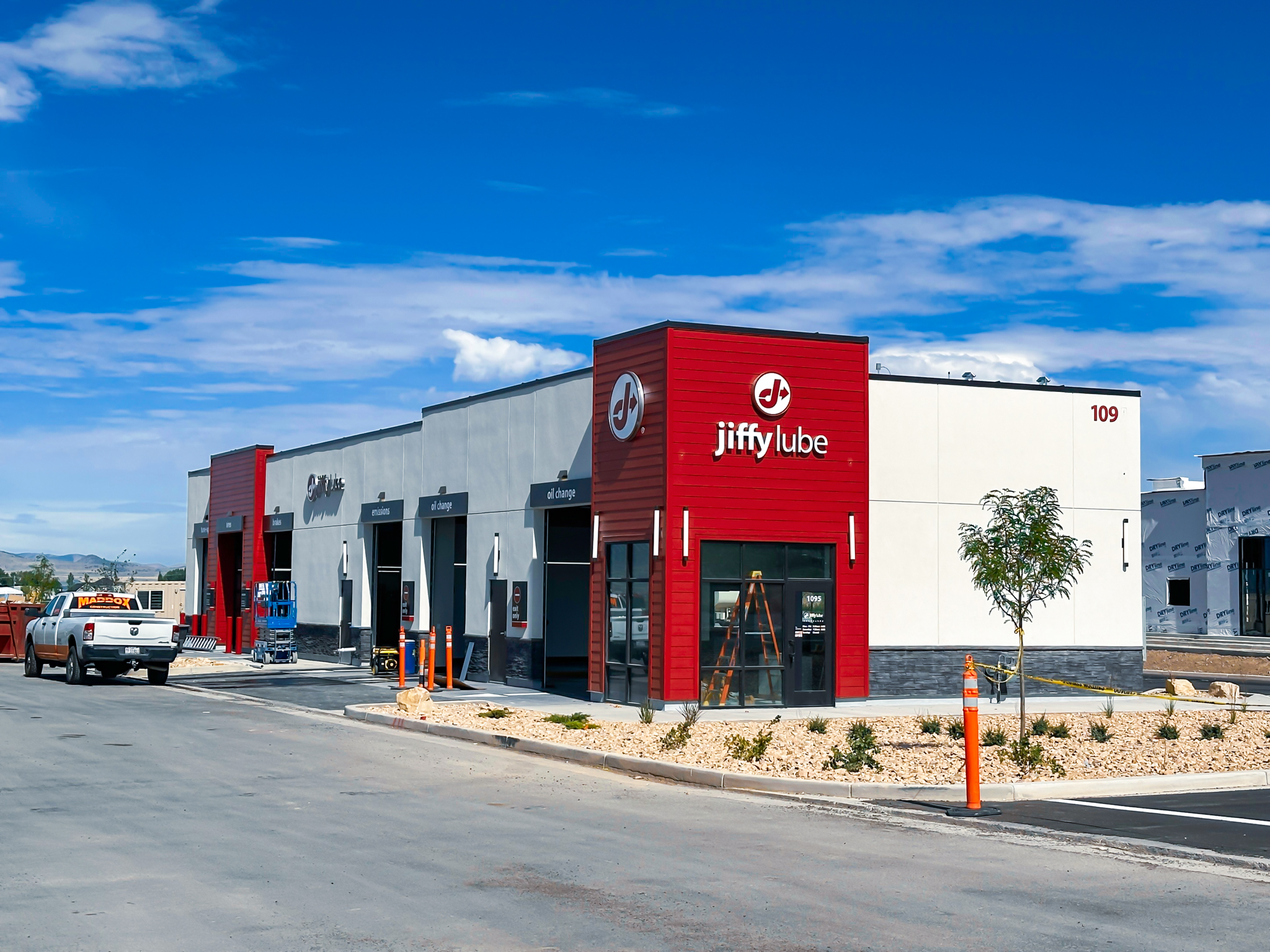
Maddox Construction has built a reputation for executing rapid, high-quality TI for national and regional brands.
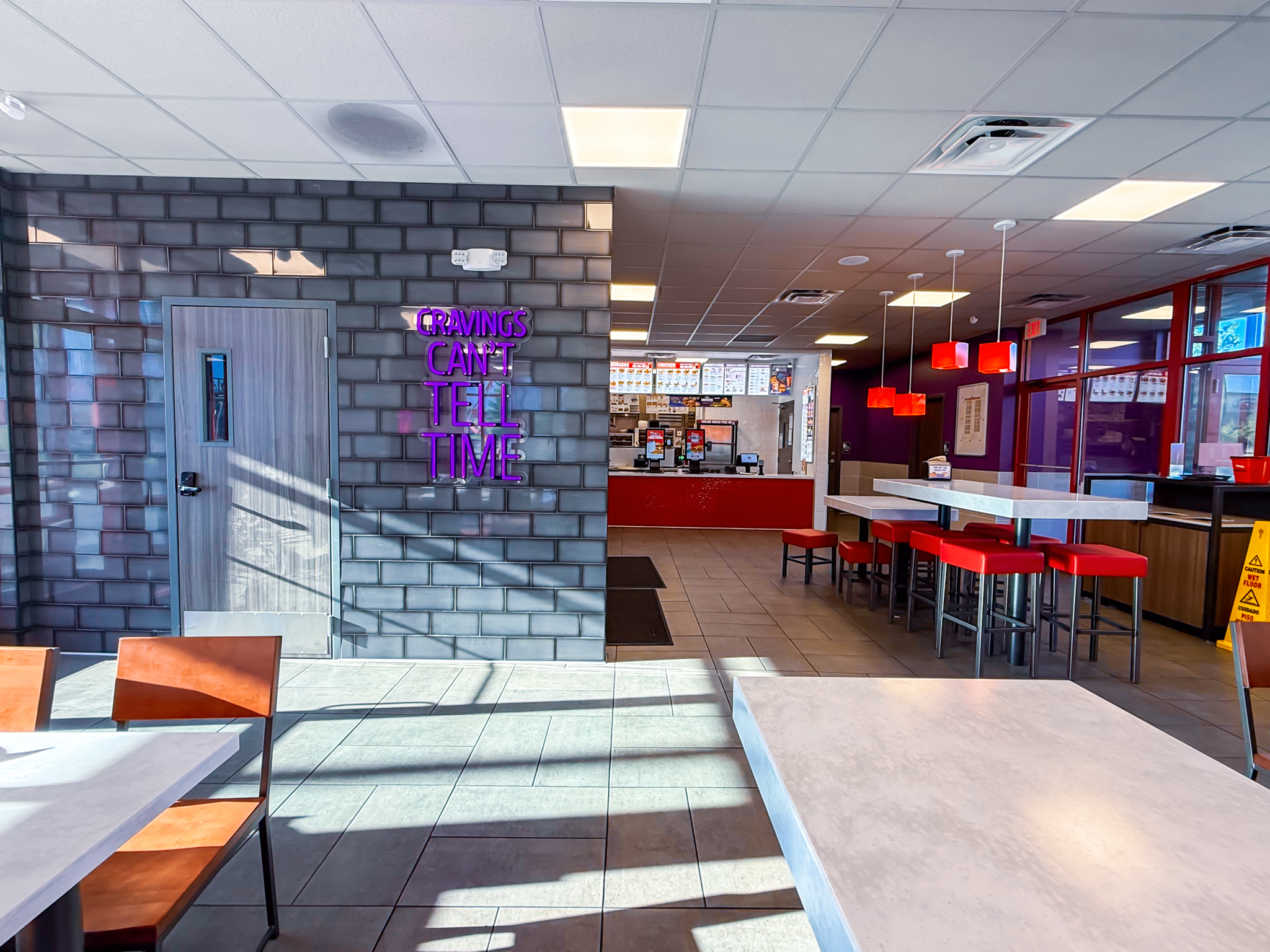
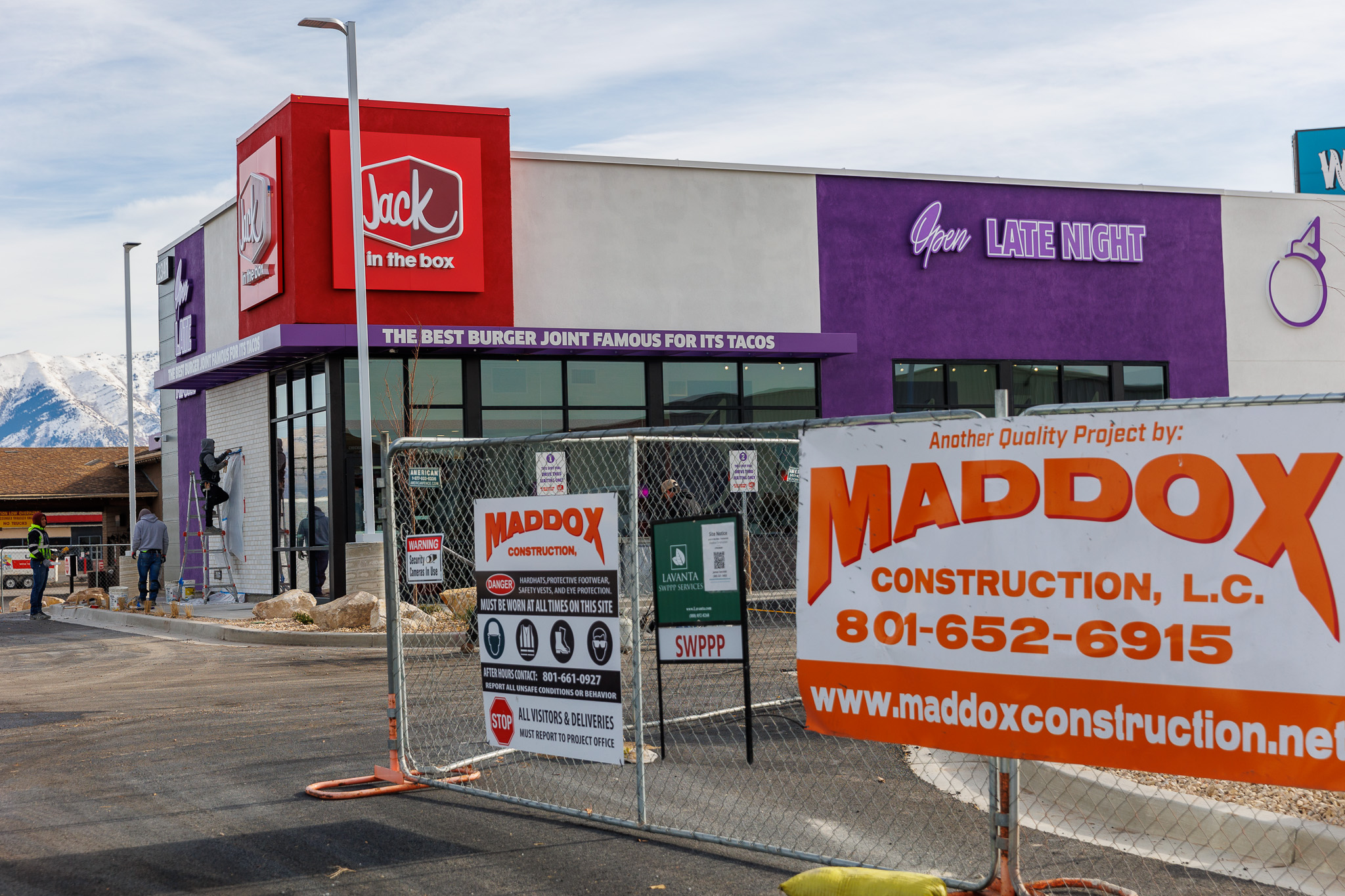
Consider our work with heavy-traffic QSR (Quick Service Restaurant) clients like Jack in the Box (Layton, UT) and Betos (Smithfield, UT). These projects require highly specialized kitchen infrastructure, precise brand-standard finishes, and rigorous health department compliance. By leveraging our Design-Build capabilities, we act as a seamless bridge between the franchise requirements and the existing building’s structural limits.
The result? We get the doors open and the cash registers ringing months before a ground-up build would even have its foundation poured.
The Data: TI vs. Ground-Up Builds
To help you evaluate your next Q3/Q4 acquisition, our estimators have broken down the baseline metrics for the Intermountain West market.
| Development Metric | Tenant Improvements (TI) / Adaptive Reuse | Ground-Up Construction |
| Average Timeline to Occupancy | 3 to 6 Months | 12 to 24 Months |
| Cost Per Sq. Ft. (Estimate) | Moderate to High (Focus on MEP & Finishes) | Very High (Includes Civil, Foundation, Shell) |
| Permitting Complexity | Low to Moderate (Interior & MEP focus) | Extremely High (Zoning, Civil, Environmental) |
| ROI Velocity | Fast (Immediate operational revenue) | Slow (Extended capital lock-up) |
Making the Right Decision for Your Capital
There is no universal right answer—only the right answer for your specific business model. If you are a developer looking to establish a massive, multi-tenant civic anchor, ground-up is required. But if you are a franchise operator looking to rapidly expand your footprint across Utah and Idaho in 2026, commercial adaptive reuse is the smartest way to deploy capital.
At Maddox Construction, our boutique approach means we sit down with you before a lease is signed or land is purchased. We provide honest feasibility studies to ensure your physical space aligns with your financial projections.
Ready to evaluate your next commercial site?
Stop guessing on costs. Get absolute certainty.